

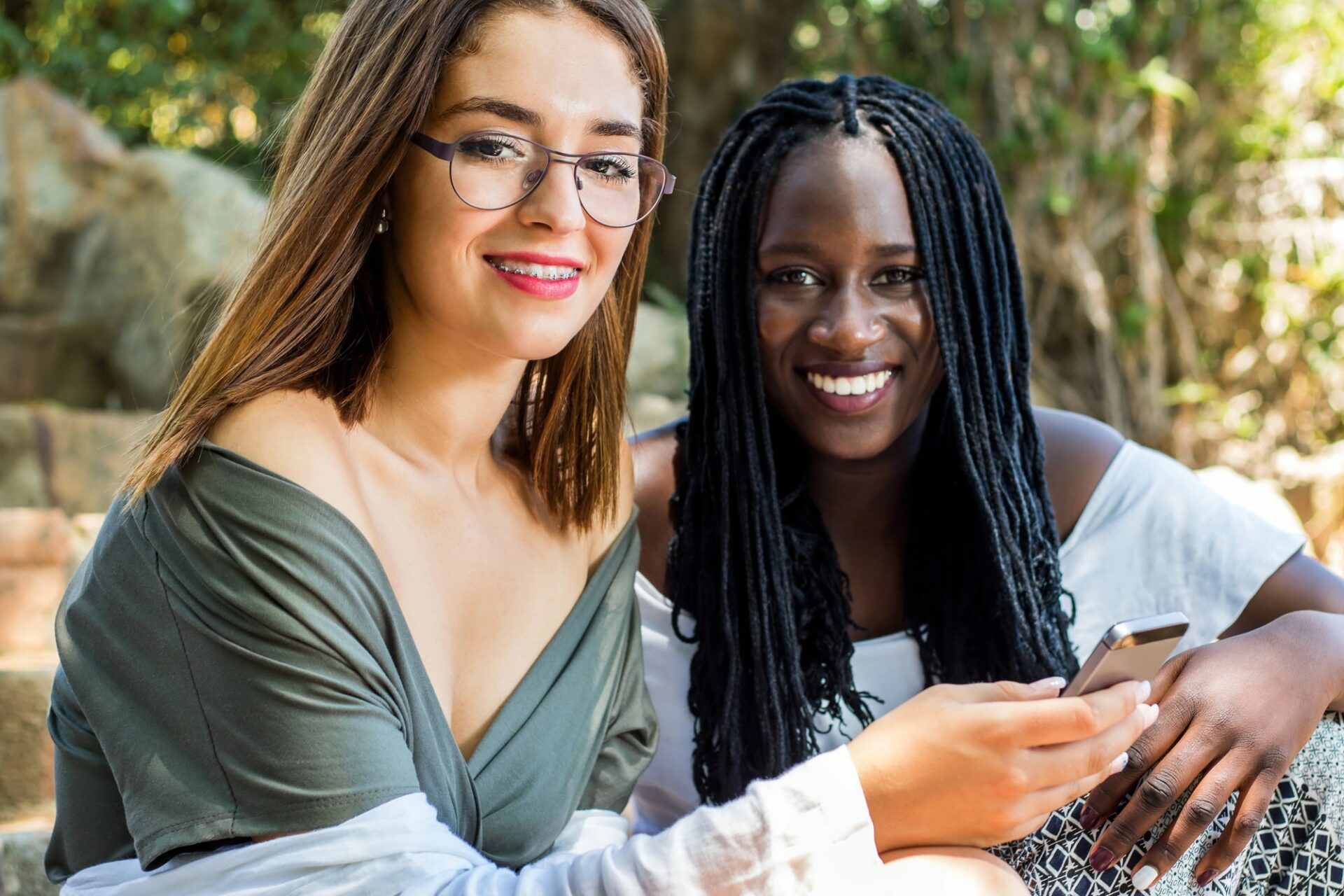
Underrepresented students, encompassing racial and ethnic minorities, individuals from low-income backgrounds, and first-generation college students, often encounter obstacles that hinder their academic and professional journeys. These challenges can range from limited access to resources and networks to feelings of isolation and imposter syndrome. However, a promising solution exists: mentoring programs. These initiatives have emerged as a powerful tool for empowering underrepresented students, fostering their potential, and bridging the gap towards equitable opportunities.
The Power of Mentorship: Creating a Supportive Network
At its core, mentorship is a reciprocal relationship where a more experienced individual (the mentor) provides guidance, support, and encouragement to a less experienced individual (the mentee).
For underrepresented students, mentors can serve as invaluable advocates, confidants, and role models. They can offer a listening ear, share their own experiences, and provide insights into navigating academic and professional landscapes. Through mentorship, students gain access to a supportive network that can bolster their confidence, expand their aspirations, and open doors to new possibilities.
How Mentoring Programs Work: Different Models and Matching Processes
Mentoring programs can take various forms, catering to the diverse needs of underrepresented students.
One-on-one mentoring pairs a student with a dedicated mentor, fostering a close and personalized bond. Group mentoring brings together a cohort of students with similar backgrounds or interests, creating a sense of community and shared learning. Peer-to-peer mentoring involves students mentoring each other, fostering a culture of collaboration and mutual support.
Ohana’s mentoring model also has a group model of two or three mentors with one mentee. This model is designed to offer more support to the mentee with the mentors bringing different perspectives and experiences. Great thought is put into which approach and pairing best suits the mentee.
Regardless of the model, effective mentoring programs prioritize careful matching of mentors and mentees, ensuring compatibility in terms of interests, goals, and backgrounds. They also establish clear expectations and goals, regularly evaluating progress to maximize the impact of the mentorship relationship.
Benefits for Underrepresented Students: Academic, Career, and Personal Growth
There are many benefits of mentoring programs for underrepresented students. Academically, mentees often experience improved grades, increased engagement in coursework, and higher graduation rates. They receive guidance on study skills, time management, and navigating academic challenges.
Career-wise, mentors can introduce students to different career paths, offer internship opportunities, and help them develop professional skills like networking and communication.
Personally, mentoring can foster self-efficacy, resilience, and a sense of belonging. Mentees gain valuable life skills, build confidence in their abilities, and develop a clearer vision for their future.
The Impact of Mentoring on Closing the Gap
Mentoring programs have proven to be instrumental in closing the achievement gap for underrepresented students. By providing access to supportive networks, guidance, and opportunities, these programs empower students to overcome obstacles, reach their full potential, and pursue their dreams.
As we strive for a more equitable society, it is crucial to recognize and invest in mentoring initiatives that uplift underrepresented students. Whether through financial support, volunteerism, or advocacy, each of us can play a role in fostering a generation of empowered leaders who will shape a brighter future for all.
Make a Difference in Your Community by Mentoring with OhanaHC
OhanaHC makes an impact using community-based mentorship programming. We pair community members with local youths to encourage connections and develop curiosity. If you have been looking for a way to get involved in the community as a mentor, we can help. Fill out the contact form on our website or email us at info@ohanahc.org for more information!