


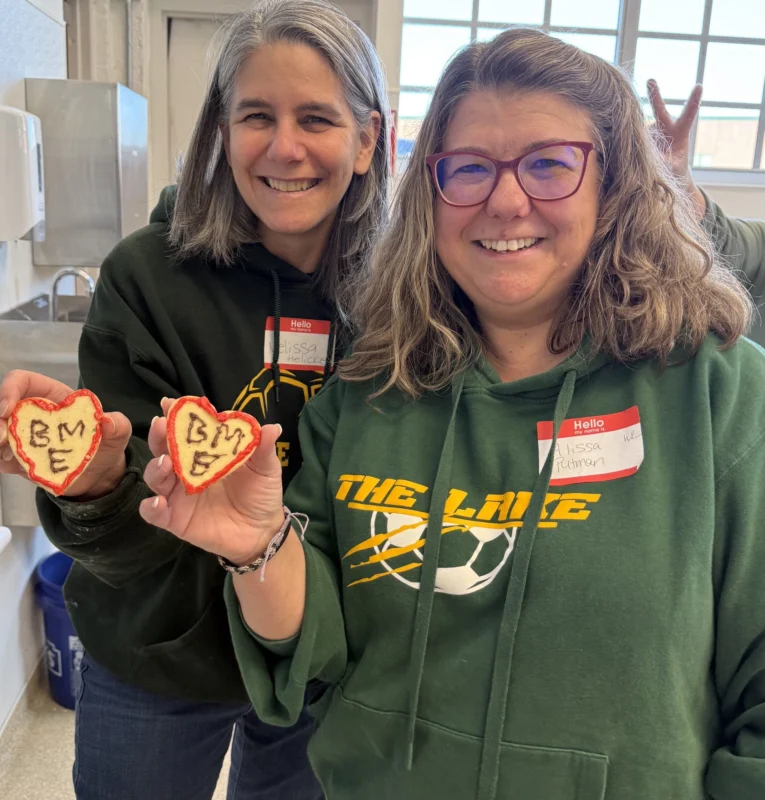
Sometimes Impact Looks Like Cookies and Jenga
Not every meaningful moment has to be a big one.
 A 501(c)(3) youth mentoring nonprofit · Howard County, MD
501(c)(3) · Howard County, MD
Trust with a teen grows through listening, consistency, and time. Learn practical ways mentors can build a strong relationship without having all the answers.
StoryMentoring
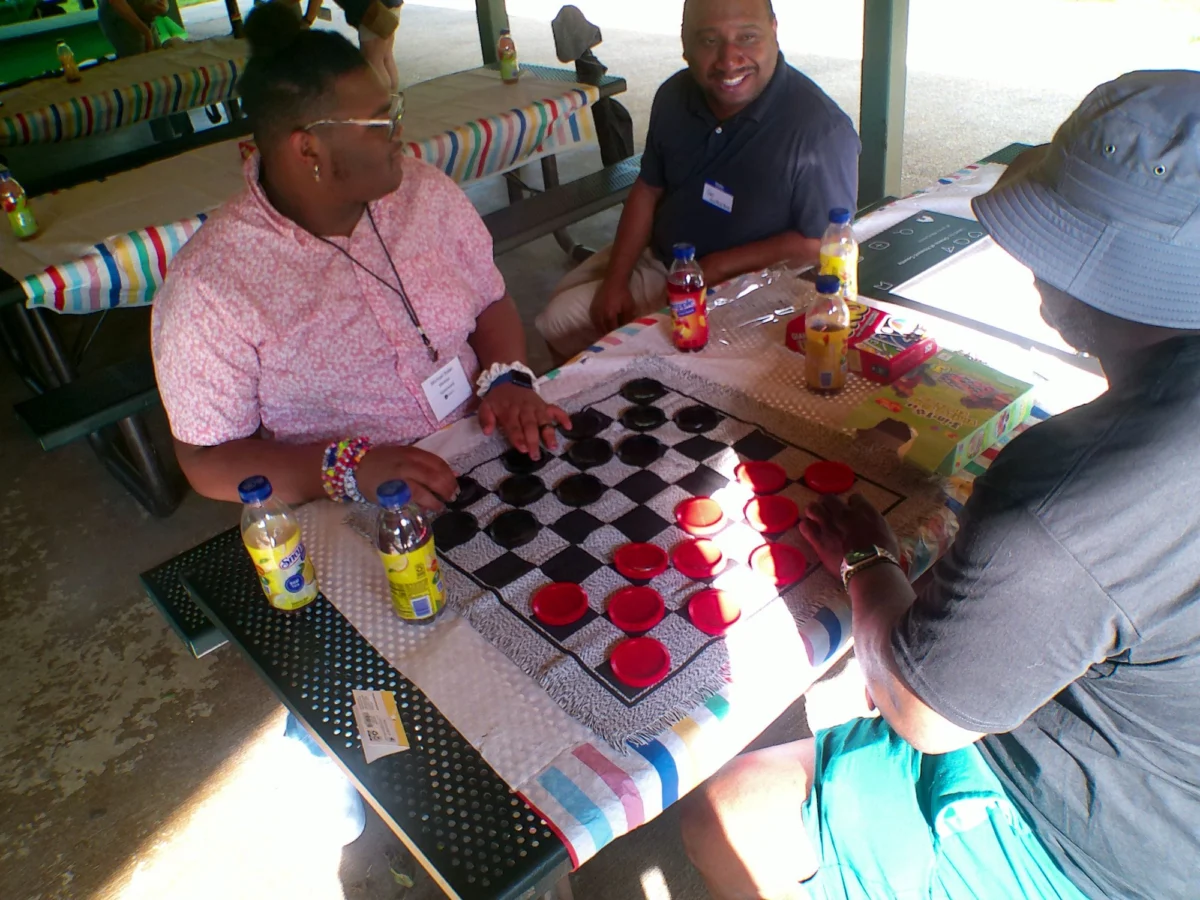
You remembered their friend’s name. You asked how the test went. You showed up when you said you would. You listened to the whole story before offering advice.
None of those moments feel particularly big. Together, they are how trust starts to grow.
For a mentor, building trust with a teen is rarely about saying exactly the right thing. It is about giving a young person enough experience with you to learn that you listen, follow through, and care about who they are.
At OhanaHC, relationships are meant to grow over time. That matters because trust usually does, too.
There is no set timeline.
Some young people start talking easily. Others take longer to decide how much they want to share. A quiet first meeting, short answers, or an awkward conversation does not necessarily mean the relationship is going badly.
You are still getting to know each other.
Trust builds as a young person sees what you do repeatedly. Do you keep plans? Do you remember what they tell you? Do you respect what they think? Do you keep showing up even when the conversation isn’t particularly exciting?
The relationship does not need to become deep immediately to move forward.
Adults are used to helping. Someone tells us about a problem, and our minds immediately start looking for the solution.
A teen may not always be asking for one.
Sometimes they tell you what happened because they want someone to hear it. Jumping straight to advice can move the conversation away from what they are trying to say.
Start by listening. Give them time to finish. Ask a question before offering an answer.
You can always share your perspective later. First, make sure you understand theirs.
“How was school?”“Fine.”Conversation over.
A more specific question can give a young person something to go on.
Questions do not have to be serious to build a relationship. Ask about music, sports, food, classes, games, friends, work, or whatever seems to catch their interest.
Then pay attention to the answers. One conversation often gives you a starting point for the next.
Trust is difficult to build through words alone.
You can tell someone you are dependable. It means much more when they experience it.
You arrive when you say you would. You follow up on something you discussed. You remember the event they were nervous about. You keep a promise. When plans change, you communicate.
Those small acts show a young person what they can expect from you.
Over time, consistency turns “this adult says they care” into “this is someone I know I can count on.”
Mentors and students may come from different generations, families, cultures, professions, neighborhoods, or life experiences.
That is part of the value of the relationship.
You do not have to agree about everything to take a young person seriously. A mentor can be curious about why someone thinks the way they do without immediately trying to convince them to think differently.
Try asking, “What makes you see it that way?” or “Tell me more about that.”
Understanding someone is not the same as agreeing with them. It does show respect.
Young people do not need mentors who have made every correct decision.
Sometimes sharing an appropriate story about a mistake, an awkward first job, a change in direction, or something you had to learn the hard way can make an adult feel more approachable.
The point is not to turn the conversation back to yourself. It is to let a young person see that adults are still learning, too.
You can have experience without pretending you have everything figured out.
A strong mentoring relationship is caring, but it also has structure.
Mentors need to understand their role, follow program expectations, maintain appropriate boundaries, and know when to bring something to OhanaHC staff rather than handle it on their own.
Boundaries make relationships dependable.
A young person should know what they can expect from the adults around them and where the limits of the relationship are.
Relationships have quieter stretches.
A young person who talked constantly last month may give one-word answers this month. Plans may fall through. They may seem distracted or less interested in talking.
Do not assume every change is about you.
Give the relationship room. Keep showing interest without forcing intimacy. Ask how they are doing. Invite conversation. Continue being the same dependable person you were before.
Sometimes maintaining trust means allowing a young person to decide when they are ready to talk.
Trust can sound like a very big thing.
In practice, it is often built through very ordinary moments. Remembering. Asking. Listening. Laughing together. Following up. Keeping your word. Coming back.
One interaction rarely defines a mentoring relationship. The accumulation of them does.
That is one of the reasons long-term mentoring matters. Young people and mentors have time to move beyond introductions and build the kind of familiarity that cannot be rushed.
You do not need the perfect opening line.
You need to keep showing up.
Not every meaningful moment has to be a big one.
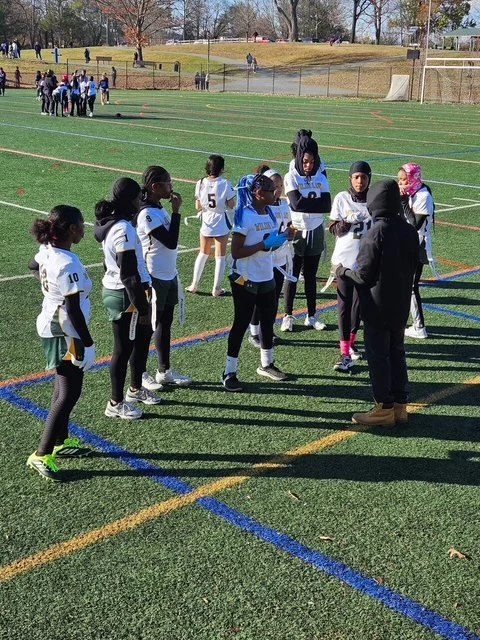
Young people get advice from many places. Parents. Teachers. Coaches. Friends. Social media.
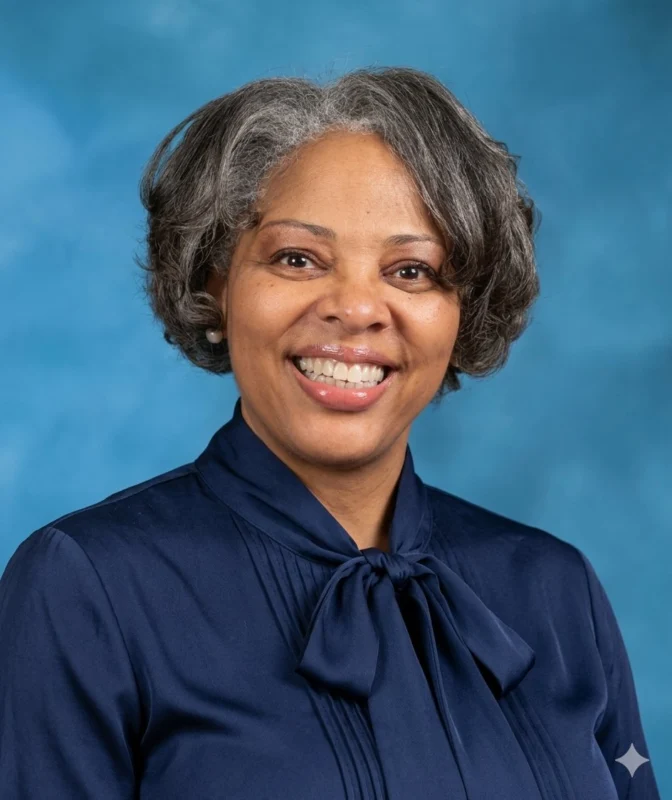
After 34 years in education, Nicole Batts Brown already knew the difference a caring adult can make in a young person’s life.
Somebody told a ninth grader about OhanaHC. If you know a young person in Howard County who could use more adults in their corner, connect us.