
Six Years of Showing Up
When Lisa Terry became an OhanaHC mentor, she signed up to be there for a young person. Six years later, she says the experience has given just as much back to her.
 A 501(c)(3) youth mentoring nonprofit · Howard County, MD
501(c)(3) · Howard County, MD
StoryMentoring
A young person can find the right job, training program, class, internship, appointment, or community event and still face one very practical question:
Transportation can turn an opportunity that looks available on paper into one that is difficult or impossible to reach.
We see that challenge among some of the young people connected to OhanaHC, particularly as they move beyond high school and begin navigating work, education, training, and adulthood with greater independence.
Access is about more than knowing an opportunity exists.
Imagine finding a job that could be a great fit, only to discover that the worksite is difficult to reach without a car.
Or learning about a career training program that starts early in the morning, before a practical transit option is available.
A networking event, college visit, interview, appointment, or community activity may only happen once. Missing it because transportation falls through can mean missing the opportunity entirely.
For young people working to build independence, transportation can shape what choices are realistically available to them.
High school provides a certain amount of structure around where young people need to be and how they get there.
After graduation, that changes quickly.
Work may be in one part of the county. A class or training program may be somewhere else. Appointments, social activities, volunteer opportunities, and professional connections can all require separate trips.
That is especially relevant for young adults in OhanaHC’s Pathfinders community as they figure out work, school, training, finances, and greater independence.
Some young people may not be able to afford Driver’s Ed. Others may complete Driver’s Ed but still have no regular access to a car.
Getting a license does not automatically solve the transportation problem.
The consequences can ripple into many parts of a young person’s life.
Transportation can affect whether someone can:
Over time, limited transportation can also contribute to isolation.
Opportunities to build relationships often happen simply because people are able to show up.
Mentors and other trusted adults can be an important resource when a transportation problem comes up.
A mentor may help a young person think through options, understand a route, coordinate a ride, make a connection, or find another way to get somewhere important.
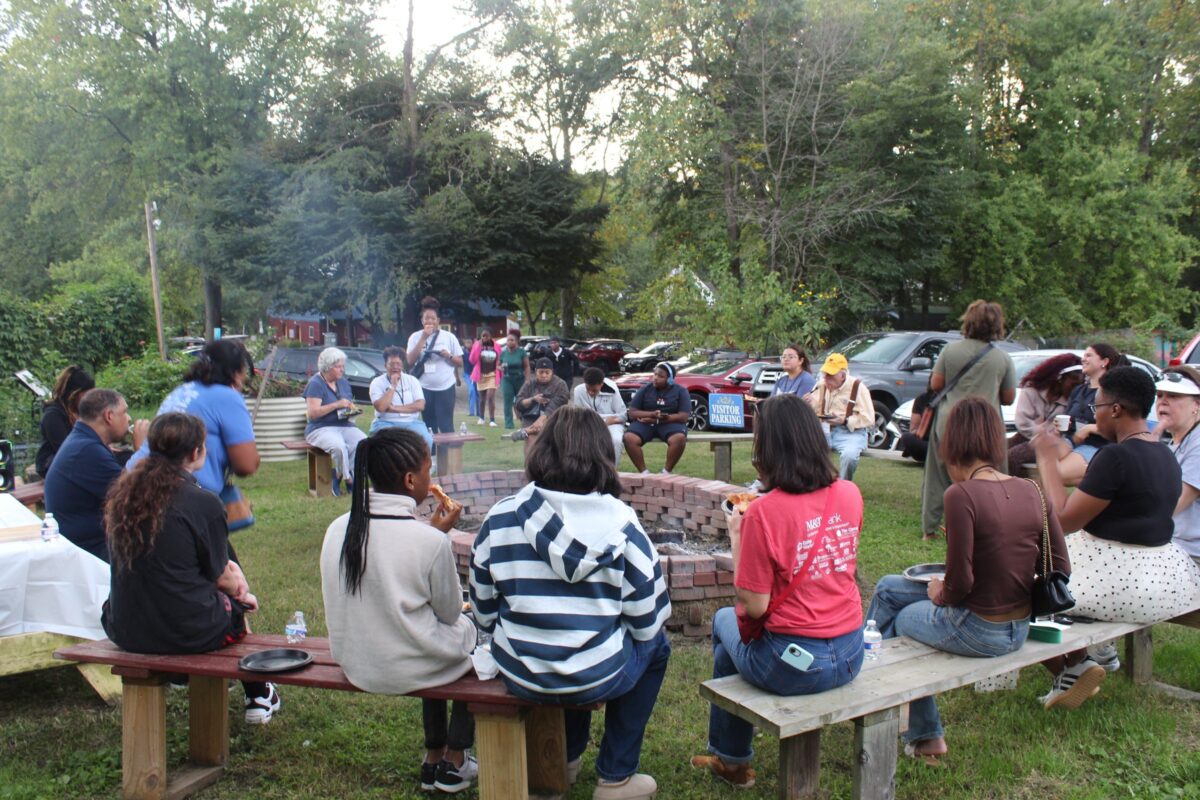
At OhanaHC, mentors have sometimes provided transportation for young people as part of showing up for them. And saying “yes” and attending an event together has meaningful impact.
Related A Day Full of Saying Yes and the Impact That Had on Our Community
Those relationships matter.
But individual mentors cannot be the transportation system.
Transportation barriers are bigger than any one mentoring relationship.
The challenge can involve cost, access to a vehicle, public transit routes, schedules, Driver’s Ed, insurance, geography, and the distance between where young people live and where opportunities are located.
Solving those challenges requires more than asking a young person to try harder or asking a mentor to provide another ride.
It requires understanding where the gaps are and who needs to be part of the solution.
OhanaHC plans to bring together a workgroup to look more closely at transportation barriers affecting young people and young adults.
That work can create an opportunity to hear directly from young people while bringing together the organizations, community leaders, employers, transportation experts, schools, and others who may hold pieces of the solution.
We do not expect one organization to solve this complex challenge.
But we can make the problem more visible, bring the right people into the conversation, and keep young people’s experiences at the center.
Helping a young person learn about a job, program, connection, or experience matters.
So does making sure they can get there.
Transportation may look like a logistical issue. For a young person trying to build a life after high school, it can become an access issue, an employment issue, a connection issue, and an independence issue all at once.
That makes it worth paying attention to.
And worth working on together.
Related Inclusive Mentoring: Expanding Access, Belonging, and Opportunity
When Lisa Terry became an OhanaHC mentor, she signed up to be there for a young person. Six years later, she says the experience has given just as much back to her.
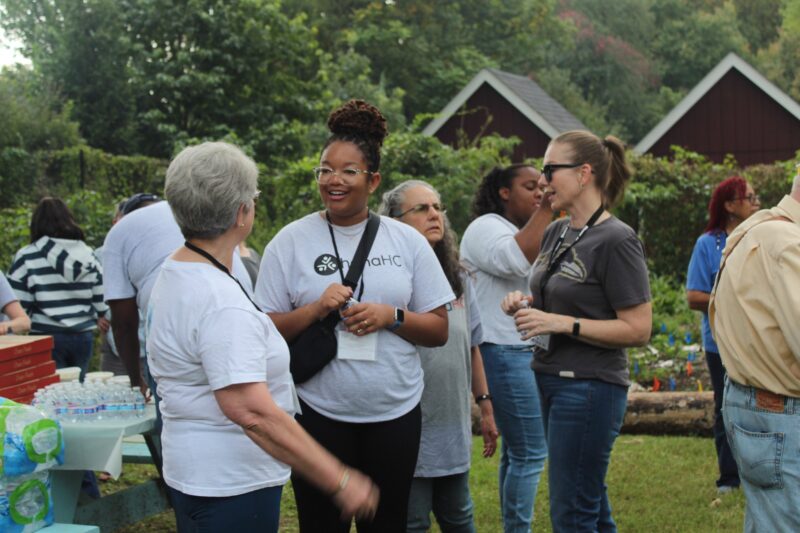
What does a youth mentor actually do? Learn how mentors listen, open doors, help young people define success for themselves, and build relationships that grow over time.
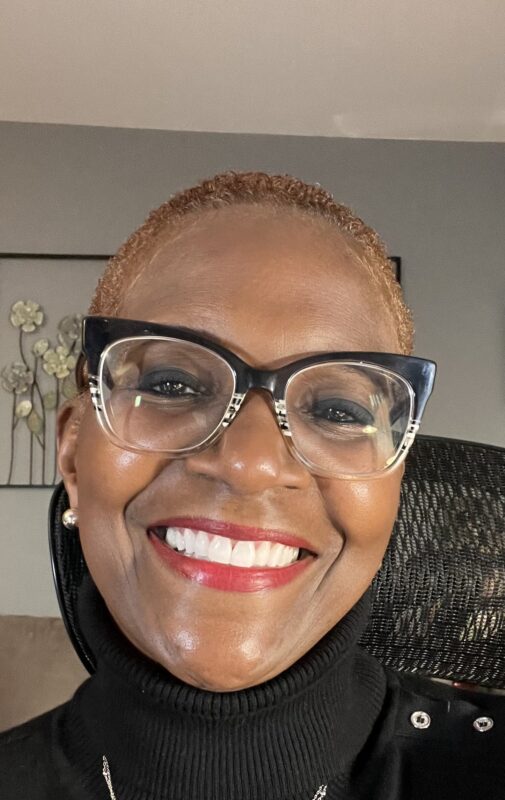
Dr. Annette Harris has spent her career helping people as a psychotherapist, but her commitment to young people extends beyond her professional work.
Somebody told a ninth grader about OhanaHC. If you know a young person in Howard County who could use more adults in their corner, connect us.