


Building Community, One Connection at a Time
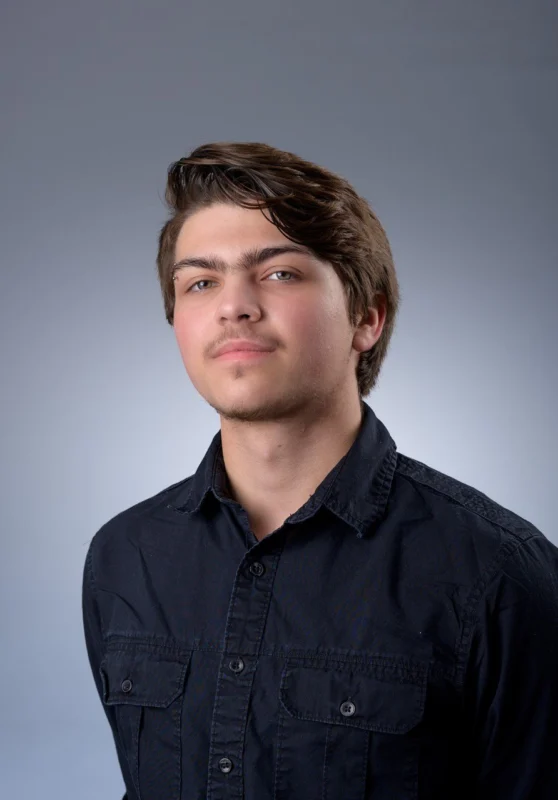
Xavier brings curiosity, creativity, and an easy ability to connect with young people to his role as an OhanaHC mentor.
 A 501(c)(3) youth mentoring nonprofit · Howard County, MD
501(c)(3) · Howard County, MD
Strong relationships can help teens feel known, connected, and supported. See how mentors and community give young people more places to belong.
StoryMentoring
A young person’s world can get bigger because of one relationship.
They meet an adult outside their usual circle who asks a different question. They spend time with people whose jobs, interests, experiences, or paths through life are unfamiliar. They show up somewhere new and realize there are more ways to think about what comes next.
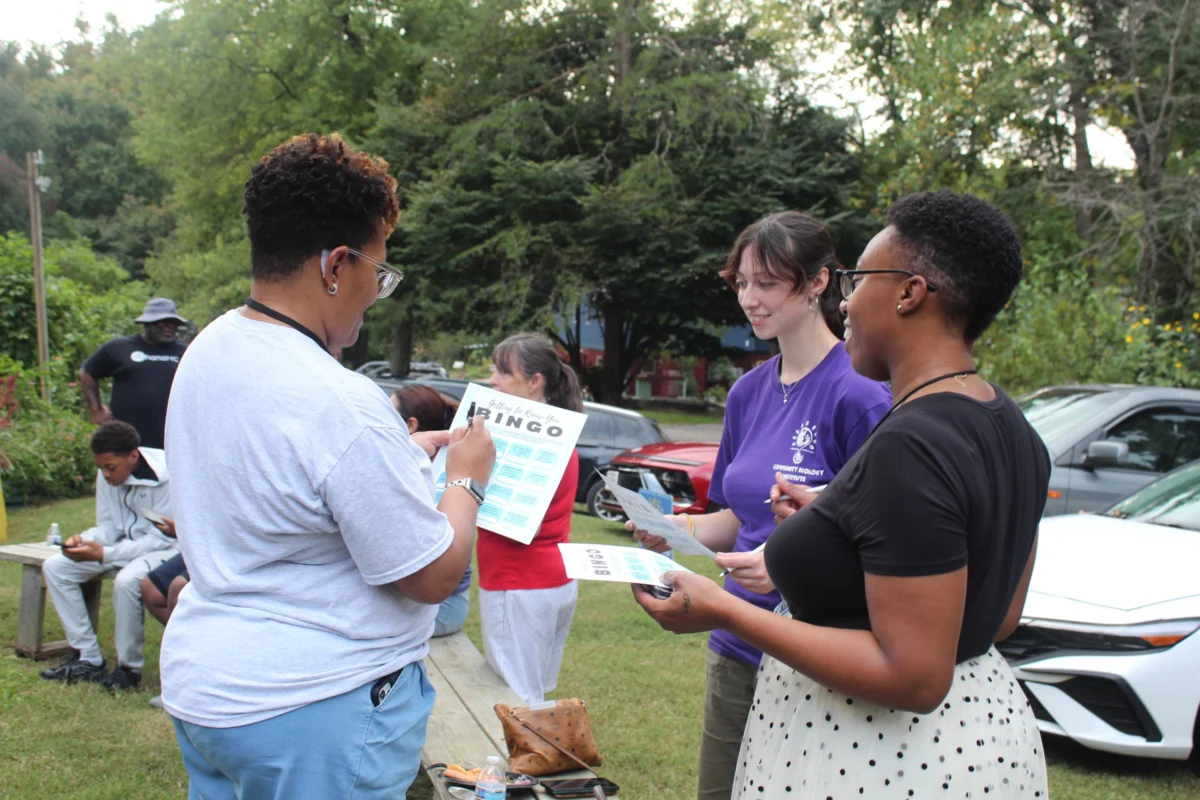
At OhanaHC, that is what community building looks like. It starts with relationships that bring people together across different backgrounds, generations, experiences, and perspectives.
Young people are surrounded by at least two mentors and a wider circle of caring adults and community members who can know them over time.
Those relationships can offer something simple but powerful: more places to feel known, more people to talk with, and more opportunities to experience life beyond the circles a young person already knows.
Young people already have important relationships with family, friends, teachers, coaches, and others in their everyday lives. Relationships with caring adults outside those circles can add something different.
A mentor may ask a question no one else has asked. They may share a perspective shaped by a different career or life experience. They may listen without being responsible for a grade, a team, or a household rule. Sometimes simply having another trusted person to talk with gives a young person more room to think out loud.
At OhanaHC, young people are connected with more than one caring adult and become part of a larger community. The point is not for one mentor to be everything to one young person. It is for a young person to know there are several people around them who care enough to keep the conversation going.
Related What Does a Mentor Actually Do?
A group chat can be active all day. Notifications can keep coming. A teen can text friends, share videos, play games, and talk online without ever being completely disconnected.
Those connections can be meaningful. Technology is part of how young people communicate, learn, discover interests, and stay in touch. But reaching people quickly is different from having people who know you well.
Meaningful relationships build history. Someone remembers what you were nervous about. They ask how the interview went. They know what you have been working toward. They notice when you have not been around for a while.
Technology can support those relationships. A quick text between meetings can keep a conversation going or let someone know they were remembered. But a message means more when it comes from a real relationship.
The goal is not to pull young people away from technology. It is to make sure screens are not the only place connection happens.
Some of the best conversations happen when talking is not the only thing happening.
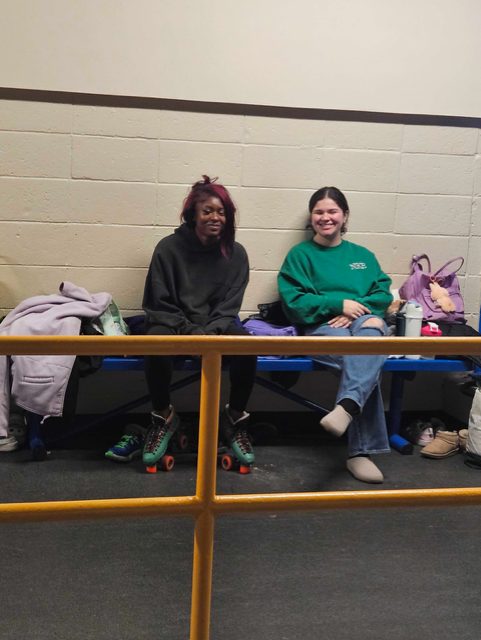
You are driving somewhere together. Eating a meal. Walking around an event. Volunteering. Working on a project. Trying something new. Waiting for an activity to start.
There is less pressure to sit across from each other and manufacture a meaningful conversation. Something happens, and suddenly there is something to talk about.
Related The People You Meet May Be the Best Part of Volunteering
Shared experiences can also reveal things that may never come up in a more formal conversation. What makes someone curious? What frustrates them? What do they want to try again? What makes them laugh? What are they unexpectedly good at?
Those moments give a relationship more material to grow from. They also give young people more chances to experience people, places, and activities beyond their usual routine.
Shared experiences do more than strengthen individual relationships. Over time, they can also widen the circle of people a young person knows and can turn to.
That is part of what social capital means: having relationships that can provide information, advice, introductions, encouragement, and opportunities.
Not every young person starts with the same network.
One student may already know adults who can explain college applications, talk about different careers, review a résumé, or introduce them to someone in a field they want to explore. Another may be trying to navigate those same opportunities without anyone in their immediate circle who has been through them before.
Mentoring can help widen that circle.
A conversation with one person may lead to a job shadow, an internship, a college contact, or someone willing to answer questions about a career. Sometimes the most useful thing a mentor can say is, “I know someone you should talk to.”
Over time, young people are not only meeting more people. They are learning how to ask questions, make connections, and build a network they can draw on for themselves.
And as that circle becomes more familiar, something else can grow alongside opportunity: a sense of belonging.
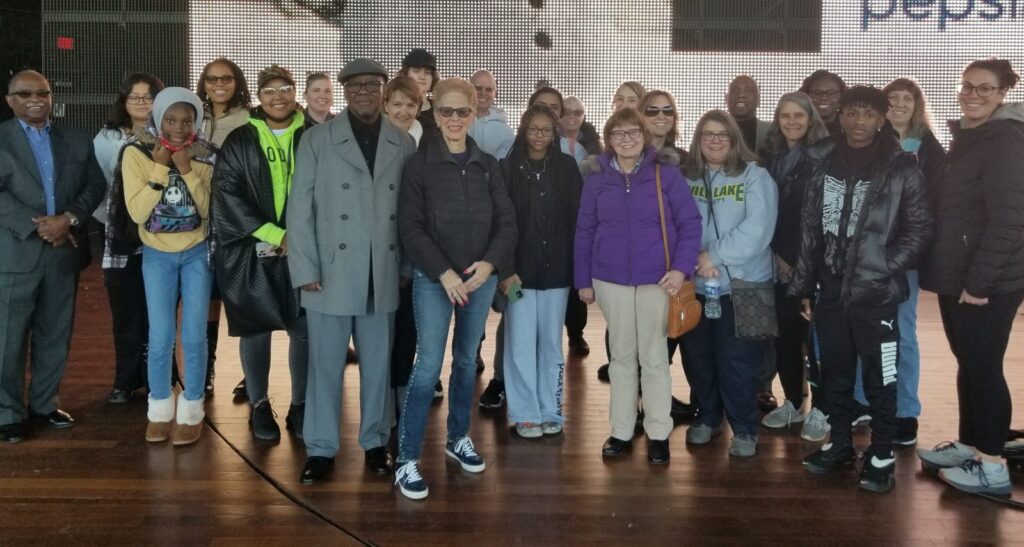
Belonging is not created by simply being invited into a room. It grows when people begin to know you there.
Someone remembers your name. Another person asks how something turned out. You recognize familiar faces when you arrive. People notice what interests you. You know who you can sit beside, text, or ask a question.
That kind of familiarity takes repetition.
OhanaHC gives young people opportunities to build those relationships through school-based clubs, events, activities, and continued connection after high school through Pathfinders. Different settings create different ways to spend time together, and repeated time together can turn unfamiliar faces into people a young person knows and trusts.
Over time, the question can shift from “Do I belong here?” to something much simpler: “Who am I going to see when I get there?”
Related How Do You Build Trust With a Teen?
Strong communities are built when people have reasons to keep showing up for one another.
That takes more than bringing people together once. It takes shared experiences, mutual support, opportunities to learn from one another, and enough time for unfamiliar people to become familiar.
For young people, that can mean having adults with different experiences and perspectives in their corner. For mentors, it can mean learning from young people whose lives may look different from their own. And for everyone involved, it means becoming part of a community where relationships extend beyond the people they might otherwise meet.
That is why community building and mentoring are so closely connected at OhanaHC. Each relationship strengthens the circle around one young person while also creating connections across the wider community.
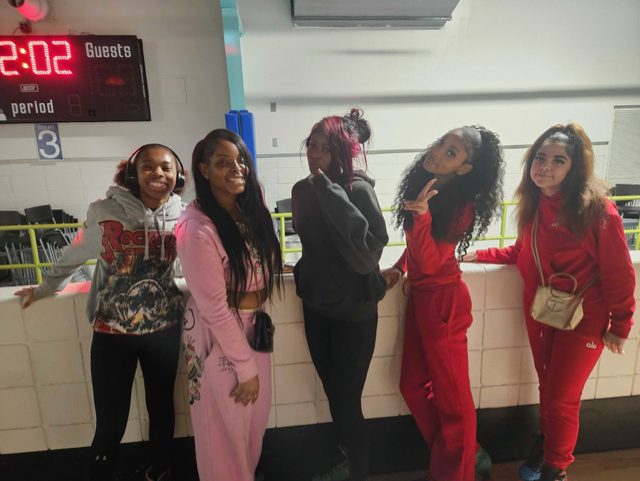
Real connection does not require every interaction to be memorable.
Weekly mentor check-ins and after-school club meetings create the consistency that relationships need to grow. It happens in everyday moments, too: a conversation over lunch, a ride to an event, someone asking about the first day at a new job, a familiar face across the room, or a text that picks up where last week’s conversation left off.
Those moments accumulate. Eventually, there is history there.
That is what makes a wider community meaningful. Young people do not just have more people around them. They have more people who know something about who they are, what matters to them, and what they are figuring out.
Young people will spend part of their lives online and part of their lives in classrooms, workplaces, homes, events, neighborhoods, and communities.
They benefit from relationships that can move with them across those spaces, and from having more than one person willing to keep showing up.
That is what OhanaHC is building: wider circles around young people, so the world does not feel limited to the people and experiences they already know.
Because sometimes expanding a young person’s world starts by expanding who is in it.
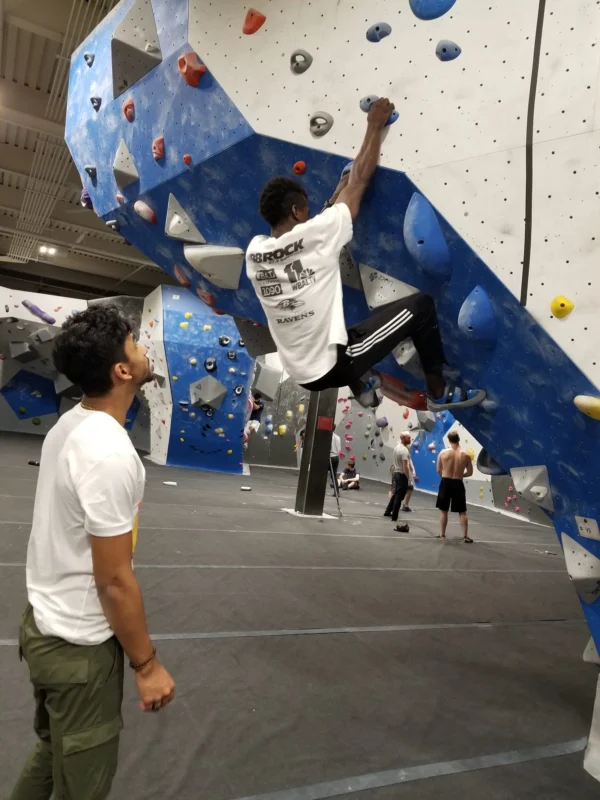
Xavier brings curiosity, creativity, and an easy ability to connect with young people to his role as an OhanaHC mentor.
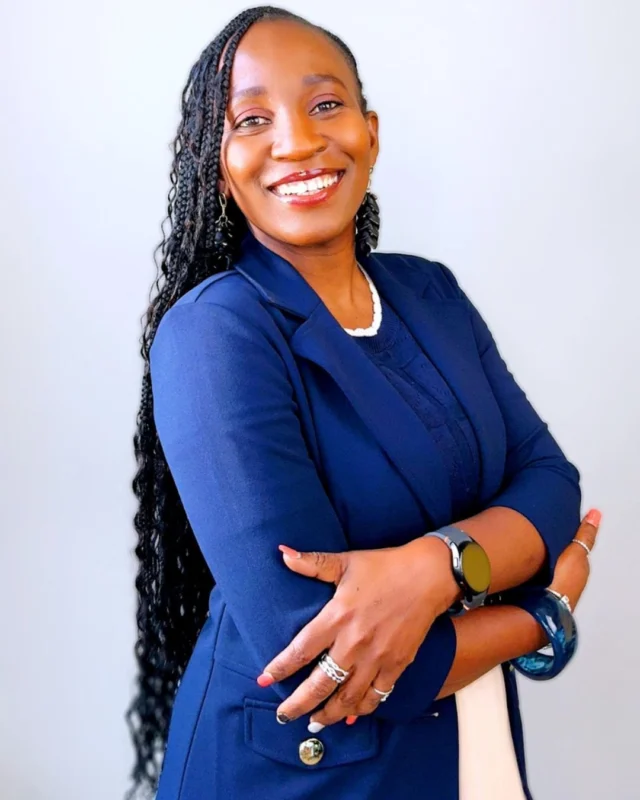
Temitope Adepoju wears a lot of hats. She works in technology supporting organ transplantation nationwide, runs a mobile sweet treats business, helps fight food insecurity, and serves in her church community.
Learn how mentoring can expand access to information, networks, guidance and opportunities for young people, while creating a stronger sense of belonging.
Somebody told a ninth grader about OhanaHC. If you know a young person in Howard County who could use more adults in their corner, connect us.