

Mentoring Gives Back, Too
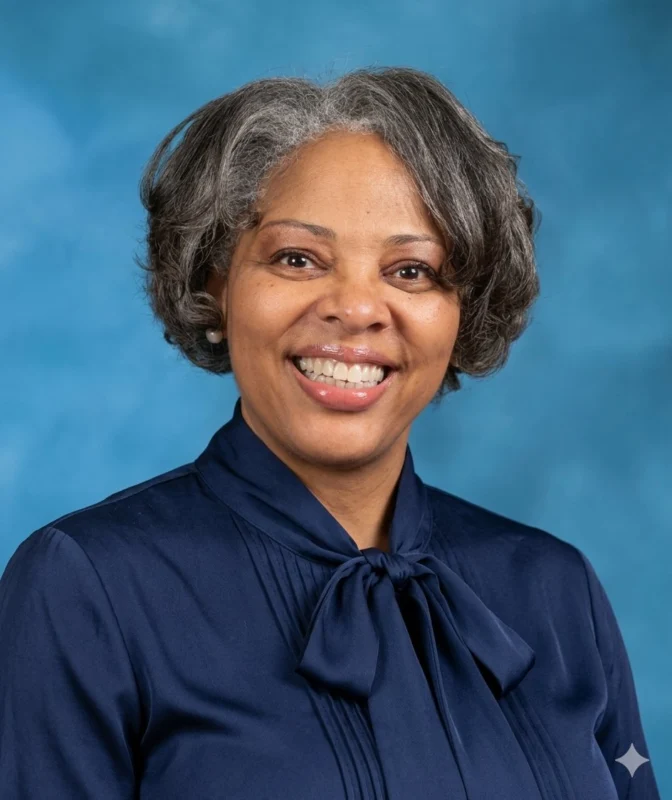
After 34 years in education, Nicole Batts Brown already knew the difference a caring adult can make in a young person’s life.
 A 501(c)(3) youth mentoring nonprofit · Howard County, MD
501(c)(3) · Howard County, MD
StoryMentoring
Young people get advice from many places. Parents. Teachers. Coaches. Friends. Social media. Sometimes what they need most is another person who knows them well enough to ask a good question, offer a different perspective, and keep the conversation going over time.
That is where mentoring can make a difference.
A mentor doesn’t decide what a young person should become or step in every time something gets difficult. They become another steady person in that young person’s life, someone who listens, notices strengths, shares experience, introduces possibilities, and helps them think through what comes next.
At OhanaHC, that relationship grows with the young person. What a ninth grader needs can look very different from what that same young person needs at 19 or 22. Mentoring works in part because the relationship has time to change too.
A young person may not open up simply because an adult says, “You can talk to me.” Trust develops through what happens afterward. Does that person come back? Do they remember what was said last time? Do they ask about the interview, the test, the conflict with a friend, or the idea a student was excited about three weeks ago?
One Hammond student joined OhanaHC in ninth grade with significant anxiety and rarely spoke during club meetings or in class for nearly two years. By junior year, she had begun answering questions, sharing her thoughts, and speaking with more confidence. When an OhanaHC coordinator asked what had changed, she answered, “I trust people here now.”
That trust didn’t come from one breakthrough conversation. It grew because she had a place where people kept showing up, where she became known, and where she had time to become comfortable being heard.
Once that kind of trust exists, conversations can go deeper. A young person may be more comfortable talking about something they’re unsure about, admitting they made a mistake, or asking a question they might not ask in a classroom or at home.
Related How Do You Build Trust With a Teen?
Teenagers and young adults are still figuring out what they are good at, what matters to them, and where they fit. That can make one setback feel much bigger than it really is.
A mentor can bring another perspective. They may notice that the student who says they are “bad at talking to people” is actually great at making younger students feel welcome. They may point out that someone who thinks they have “no experience” has already been juggling school, a part-time job, family responsibilities, and extracurriculars.
Mentors can also help young people recognize progress that is easy to overlook. The change may be submitting the first application, finishing an interview, passing a class after a difficult semester, or simply speaking up in a room where they once stayed quiet.
That kind of encouragement isn’t about praising everything. It is about helping young people build a more accurate picture of what they can do and what they are still learning.
There are plenty of moments when a young person wants someone to simply tell them what to do. Which class should I take? Should I go to college? Should I take this job? What should I say in this interview? Is this opportunity worth pursuing?
A good mentoring relationship creates room to think through those questions. Mentors can share what they know, talk about their own experiences, point out options, and ask questions a young person may not have considered.
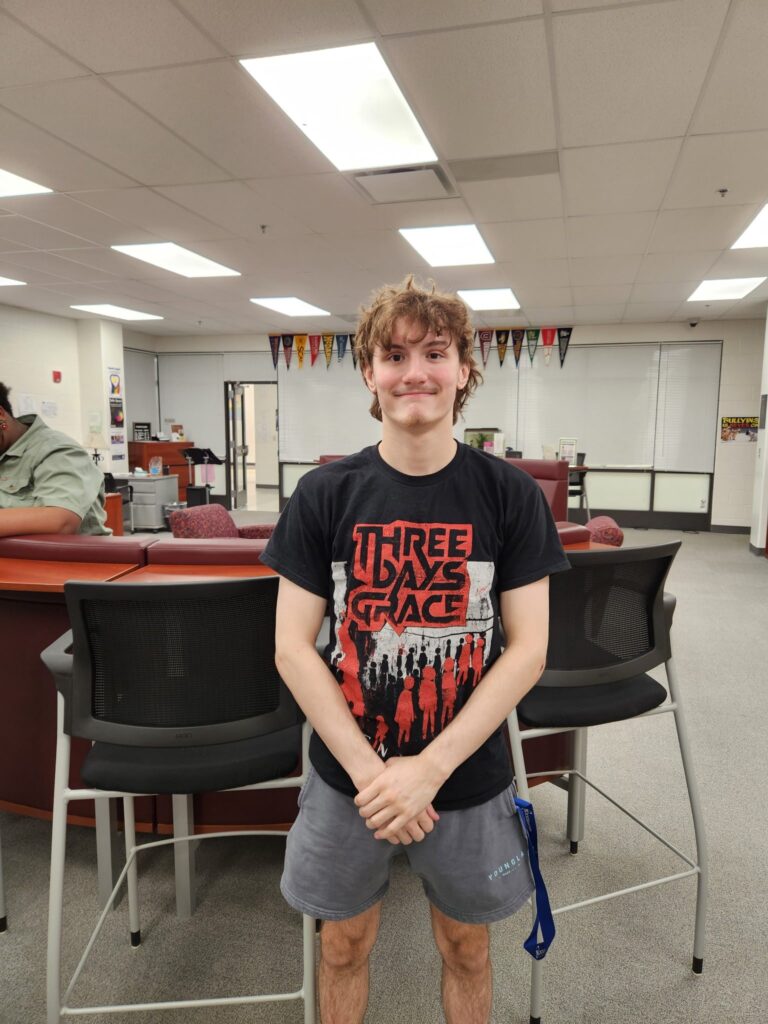
At Hammond High School, college student Cody Johnson joined an OhanaHC after-school club to talk with students about his own transition to college. The value in a conversation like that is not that one person has the answer for everyone. Students can hear from someone close enough to the experience to make it feel real, ask questions, and decide which parts of that experience matter for their own plans.
That matters because success will look different for every student. One may be planning for a four-year university. Another may be interested in community college, a trade, an apprenticeship, entrepreneurship, the military, or moving directly into the workforce.
Mentoring can help turn “I have no idea what comes next” into a conversation about possibilities.
It is hard to imagine yourself doing something you have never seen or even knew existed.
Mentors can help make the world beyond high school feel less abstract. They can talk about their own careers, introduce a young person to someone in another field, help them prepare for an interview, review a résumé, explore college or training options, or simply share an experience that opens up a new question.
Sometimes a mentor knows the answer.
Sometimes the most useful response is, “I don’t know, but I know someone we can ask.”
That can be just as valuable.
One relationship can lead to another conversation, another person, another perspective, or an opportunity a young person may not have encountered otherwise.
Growing up includes plenty of moments that do not go according to plan.
A grade drops.An application gets rejected.A friendship changes.An interview goes badly.A plan that felt certain six months ago no longer feels right.
Those moments can feel enormous when you are experiencing them for the first time.
A mentor brings the perspective of having lived through disappointments, wrong turns, changed plans, and second attempts.
They can listen to what happened, help a young person think about what they can learn from it, and remind them that one difficult moment does not have to define everything that comes next.
Sometimes resilience starts there.
Not by pretending the setback didn’t matter, but by having someone beside you while you figure out what to do with it.
Mentoring can also create opportunities to practice skills that are hard to learn in a classroom.
These conversations may come up naturally as life happens.
A mentor can talk through an upcoming interview one week and help think through transportation to a new job the next. They may help a young person prepare for a difficult conversation or figure out whom to contact when they need information.
Small moments like these can build confidence because the young person gets to practice navigating real situations with someone they trust nearby.
High school brings one set of questions.
What classes should I take? What am I good at? What do I want to do after graduation?
A few years later, the questions may look completely different.
That is one reason long-term mentoring matters.
A relationship has history. A mentor may remember the student who was nervous about speaking up in ninth grade while also getting to know the young adult now thinking about work, independence, or a completely different future.
At OhanaHC, that connection can continue beyond high school through Pathfinders, where young adults remain connected with peers, mentors, and community as they navigate education, work, training, and adulthood.
After high school, some youth are already putting those next chapters into motion. Hammond graduate Aradia continued on to Howard Community College. Amy, another Hammond graduate, also began at HCC. Serapher, an Oakland Mills graduate, headed to Lincoln University.
Their paths aren’t the same, and they don’t need to be. The goal is for young people to have people around them as they define what success looks like for themselves.
A young person may want to learn about a career their mentor knows nothing about.
They may need advice on something the mentor has never experienced.
That does not have to be the end of the conversation.
OhanaHC surrounds young people with more than one caring adult and a wider community of mentors, volunteers, school partners, staff, and community members.
Different people bring different careers, skills, interests, experiences, perspectives, and connections.
One mentor may know someone in health care. Another may understand college admissions. Someone else may know about skilled trades, entrepreneurship, technology, transportation, financial aid, or simply what it feels like to change direction.
The goal is not for one person to have every answer.
It is for a young person to have people they can turn to as new questions come up.
Related Why Relationships Outside Our Usual Social Circles Build Stronger Communities
People usually become mentors because they want to give something.
Their time. Their experience. Their perspective. Their connections.
Then many discover that the relationship gives something back.
Mentors meet young people they might never otherwise know. They hear different perspectives. They learn from another generation. They meet other adults across the community. They may even begin seeing their own experiences, assumptions, or community differently.
The value goes both ways.
A mentor can share what they have learned from years of life experience while also learning from a young person whose experiences, interests, questions, and way of seeing the world may be completely different from their own.
Related The People You Meet May Be the Best Part of Volunteering
Some of the moments that make mentoring meaningful can look very ordinary from the outside.
A text before an interview.
A conversation over lunch.
A ride to an event. For one OhanaHC mentor, saying yes to a ride turned into the most memorable day.
Related A Day Full of Saying Yes and the Impact That Had on Our Community
Someone remembering what you told them last week.
A familiar face at an after-school club.
A mentor asking about the first day at a new job.
None of those moments has to change a life on its own.
They accumulate.
Eventually there is history there. Trust. Familiarity. Shared experiences. Someone who knows what you were worried about last year and what you are excited about now.
That is part of why mentoring works.
Young people do not need one perfect conversation or one person with all the answers. They benefit from caring adults who keep showing up, keep listening, and stay interested in the person they are becoming.
At OhanaHC, we give those relationships time to grow.
Because sometimes what changes what feels possible for a young person is knowing there are people who will still be there to ask, “What are you thinking now?”
After 34 years in education, Nicole Batts Brown already knew the difference a caring adult can make in a young person’s life.
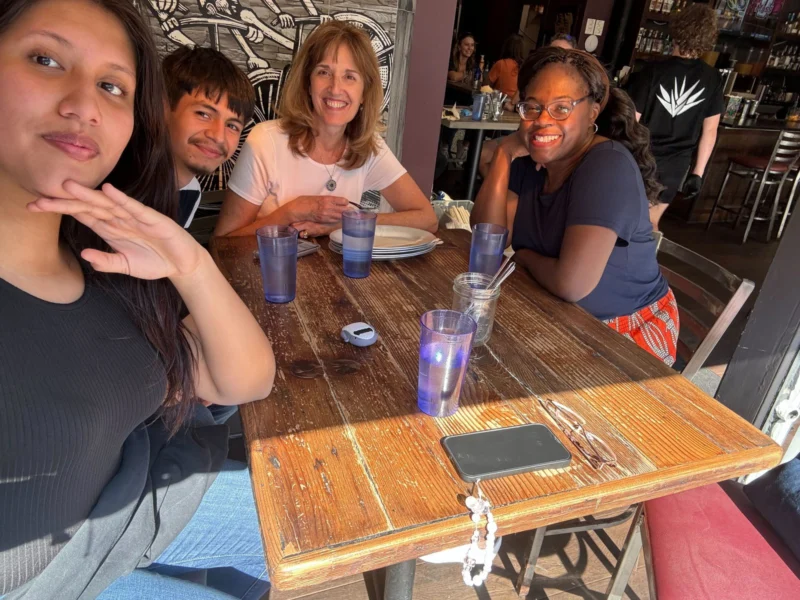
One of the best parts of mentoring is getting to experience new things together.
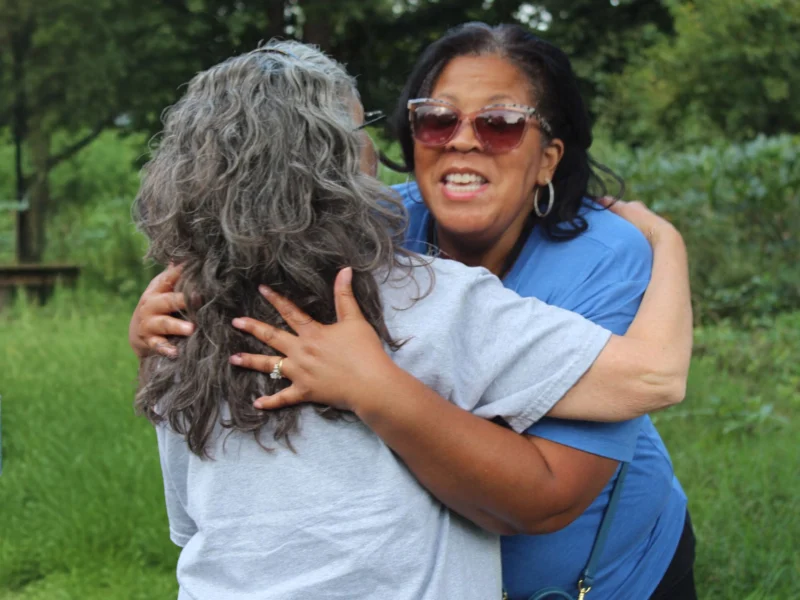
Volunteering can connect you with new people, perspectives, and opportunities. Learn 3 ways volunteering can grow your community in Howard County.
Somebody told a ninth grader about OhanaHC. If you know a young person in Howard County who could use more adults in their corner, connect us.