


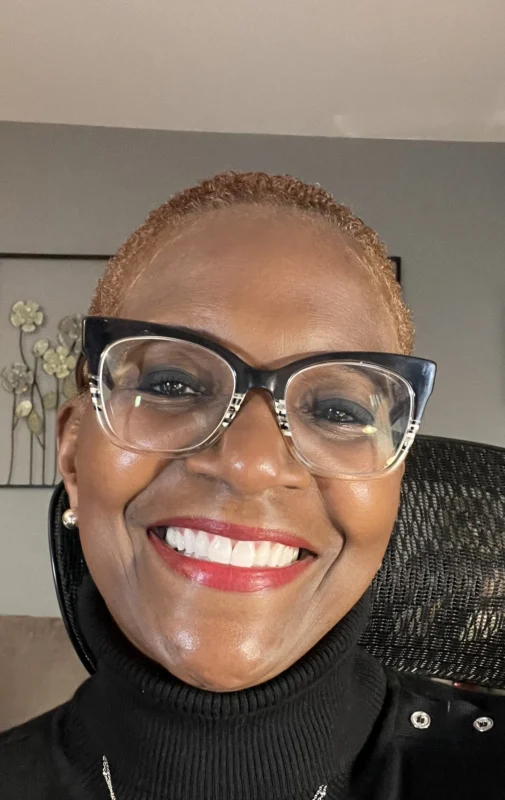
A Love of Mentoring That Keeps Growing
Dr. Annette Harris has spent her career helping people as a psychotherapist, but her commitment to young people extends beyond her professional work.
 A 501(c)(3) youth mentoring nonprofit · Howard County, MD
501(c)(3) · Howard County, MD
What does a youth mentor actually do? Learn how mentors listen, open doors, help young people define success for themselves, and build relationships that grow over time.
StoryMentoring
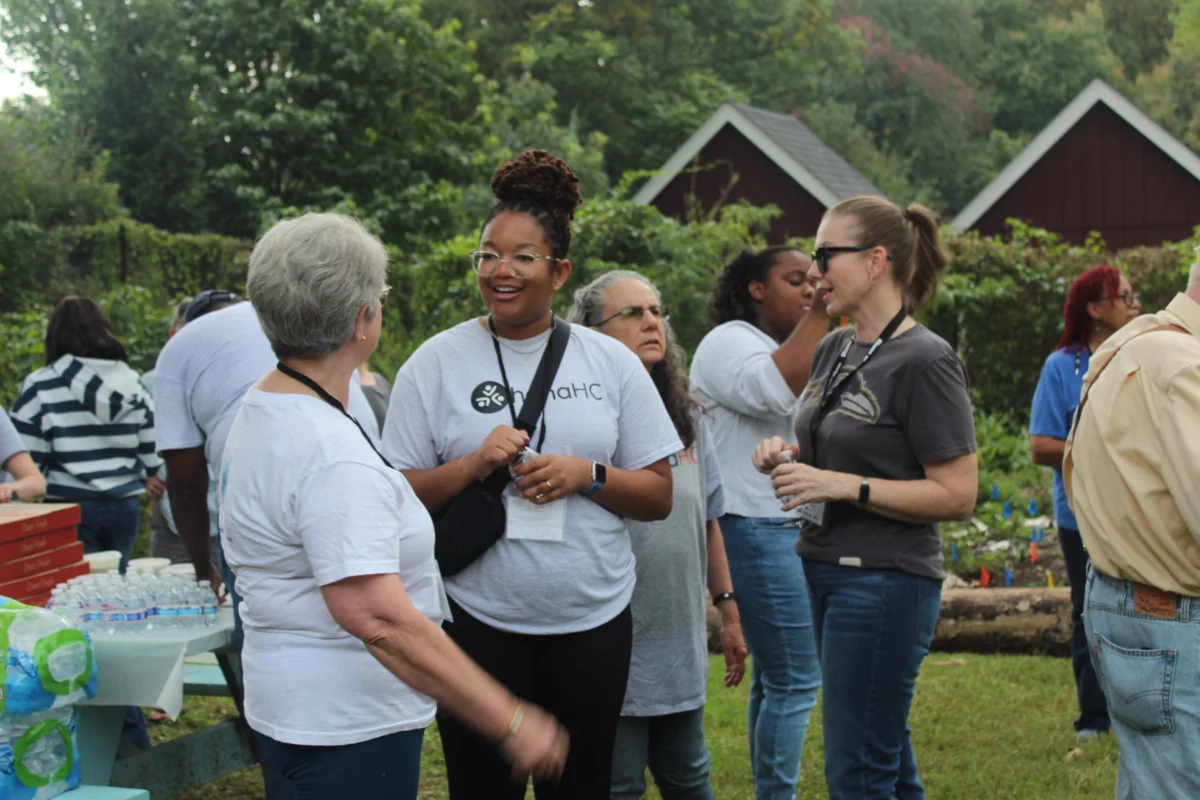
One of the first questions prospective mentors ask is also one of the most practical: What am I actually going to do with my student?
The answer changes from week to week. One day you might talk about school or work. Another conversation may be about an interview, a friendship, money, college, a job, or something your student is excited about. You might get lunch, attend an OhanaHC event, explore a new place, celebrate a milestone, or simply catch up.
At OhanaHC, mentoring is also tied to something bigger: helping young people define and achieve success for themselves. Mentors are not there to decide what success should look like. They help young people explore what matters to them, see more possibilities, make decisions, learn from setbacks, and keep moving toward goals that are their own.
That means mentoring is less about having the right activity prepared and more about building a relationship where those conversations and experiences can happen.
OhanaHC mentors generally spend about four to six hours a month connecting with their students. What fills those hours changes as the relationship grows.
A mentor and student might meet for coffee or lunch, attend an event, talk about school, explore a career interest, practice interview questions, review a resume, volunteer together, or check in about how life is going.
Sometimes the most memorable experiences happen outside the usual routine.
One OhanaHC mentor spent a day in Annapolis with his student, Bryan. They toured the State House, walked through part of the Naval Academy, had lunch on Main Street, and stopped in an art gallery with another Ohana and mentor.
The mentor expected the historic sites to capture the young people’s attention. What surprised him was how interested they were in the art gallery.
Related A Day as a Mentor
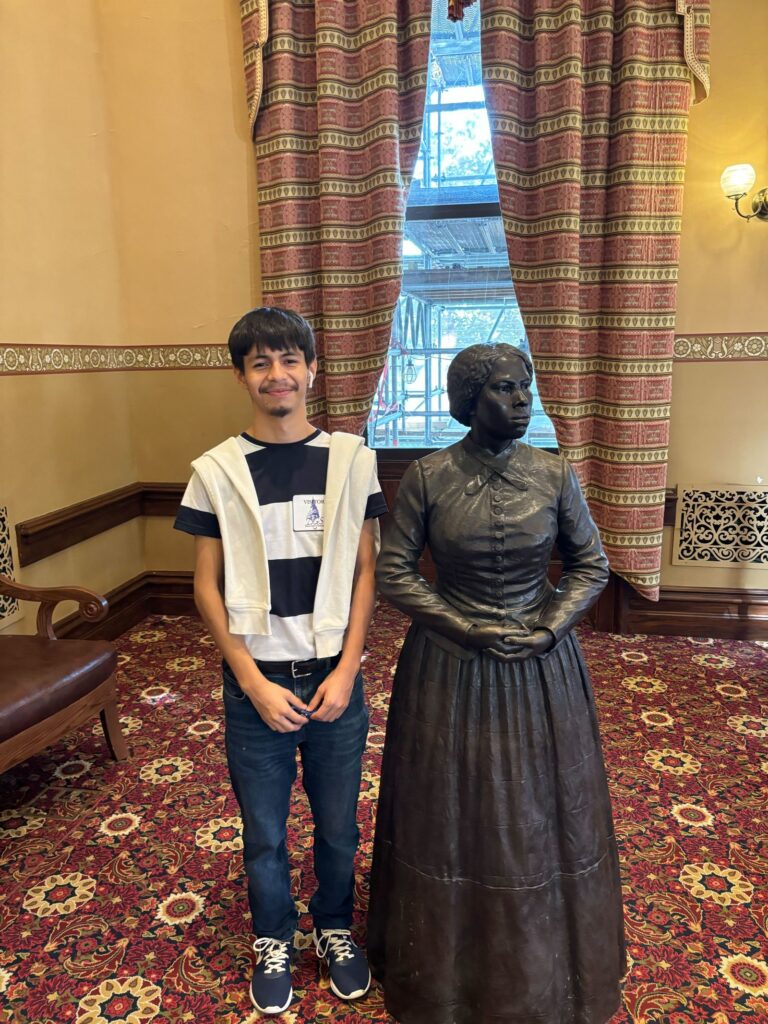
That is part of mentoring too. You create opportunities to experience something together, then see where the conversation goes. You do not have to turn every outing into a lesson. Sometimes a new experience sparks a question or reveals an interest. Sometimes it is simply a good day spent together. Both contribute to the relationship.
You do not need a special title, a perfect background, or a lifetime of answers.
Many of the skills that matter most in mentoring are things you probably already use in everyday life. Have you listened to a friend who needed to talk something through? Encouraged a coworker who was doubting themselves? Helped someone prepare for something new? Shared a mistake because you hoped another person could learn from it?
Those are mentoring skills.
A good mentor listens. They ask questions. They share what they have learned without pretending to know everything. They notice what matters to a young person, encourage them when things get hard, and stay engaged long enough for a real relationship to grow.
You do not need to be the expert in the room. You need to be willing to pay attention to the person in front of you.
Mentors bring life experience, but that does not mean every conversation needs an answer.
Sometimes the most useful first question is, “What do you think?” Listening gives a young person room to work through an idea before someone else tells them what to do.
It can also help a mentor understand what is really going on. A conversation that sounds like it is about a bad grade may actually be about confidence. A question about college may really be about money, family expectations, or uncertainty about what comes next.
The better you understand the question, the more useful your perspective can be.
Young people give us clues about what interests them all the time. It might come up in a conversation about music, a class they like, something they saw online, a problem they want to solve, or a career they are curious about.
A mentor can keep that interest moving with another question:
Those questions do more than keep a conversation going. They show a young person that their interests are worth exploring.
You do not need to know the answer yourself. Looking something up together, asking someone with more experience, visiting a place, or simply saying, “I do not know. Let us find out,” can be part of the mentoring experience.
At OhanaHC, this is a central part of mentoring.
Success does not have one definition. For one young person, it may mean attending a four-year college. For another, it could mean community college, learning a trade, entering an apprenticeship, starting a business, beginning a career, or pursuing professional training. It can also mean becoming more independent, finding meaningful work, building strong relationships, or gaining the confidence to decide what comes next.
Young people hear plenty of ideas about what they should do. A mentor can give them something different: space to think about what they actually want.
That starts with questions:
A mentor can share experience, introduce possibilities, help research options, and connect a young person with people who know more. But the goal is not to choose the destination for them.
The young person defines success. The mentor helps them explore how to get there.
And that definition can change. A teenager may feel certain about one path and want something completely different six months later. A college plan may become a job opportunity, an apprenticeship, a different school, or something no one anticipated.
Changing direction can be part of figuring out what fits. A mentor can help a young person think about what changed, what they learned, and what they want to explore next without treating a new direction as failure.
You do not have to personally know everything your student wants to learn.
You may know very little about the career they suddenly want to explore, but someone you know may have experience in that field. You may be able to introduce them to a professional, suggest an event, visit a workplace, explore a college, attend a community event, or simply take them somewhere they have never been before.
Sometimes the most useful thing a mentor can say is, “I do not know, but I know someone we can ask.”
New experiences can make an abstract possibility feel real. They can also uncover interests neither of you expected.
Mentoring is built over time.
You remember the interview and ask how it went. You follow up on the class they were worried about. You ask about something they mentioned weeks ago. You return for the next conversation.
That follow-through shows a young person that you were listening and that what they told you mattered.
Trust deserves its own conversation because it develops differently in every relationship. The important thing here is simple: consistency gives everything else in mentoring somewhere to land.
Related How Do You Build Trust With a Teen?
A rejection letter arrives. A grade is lower than expected. An application goes unanswered. A job does not work out. A young person realizes that something they expected to be good at is harder than they thought.
A mentor does not have to make the disappointment disappear. Often the more useful role is helping the young person make sense of what happened and decide what comes next.
You might ask:
Sometimes the next step is another attempt. Sometimes it is a different strategy. Sometimes it is a new direction entirely. The mentor’s job is not to make that decision for the young person. It is to help them think it through.
New mentors often worry they will run out of things to say.
Young people usually solve that problem for you.
School, friends, family, jobs, stress, money, driving, future plans, relationships, interests, and whatever happened that week can all become part of the conversation.
As you get to know each other, you begin remembering the details that make those conversations easier. Your student mentioned an interview last week, so you ask how it went. They were thinking about applying somewhere, so the next time you meet you ask whether they did.
You are not responsible for producing a profound conversation every time you meet. Ordinary conversation is part of how people get to know each other.
A mentor may talk about school, help someone think through study habits, or encourage a student to advocate for themselves with a teacher. That does not mean the mentor needs to become an academic expert.
You do not need to know calculus because your student is struggling with calculus. Your contribution may be helping them decide whom to ask for help, talking through why the class has been difficult, or encouraging them after a frustrating grade.
Trusted relationships can lead to serious conversations. Young people may share worries, frustrations, disappointments, or difficult experiences with their mentors.
Your role is to listen, care, and be present. You are not expected to diagnose a mental health concern, provide therapy, or solve a problem that requires professional expertise.
Knowing where your role ends is part of being a strong mentor.
Parents and families remain important parts of a young person’s life. Mentors add another relationship and another perspective.
A young person may ask a mentor something they have already discussed at home because they want another point of view. A mentor may also have career experience, a personal interest, or a connection that differs from the people already in that young person’s life.
Every mentoring relationship has quieter periods.
Schedules change. Teenagers get busy. A conversation may feel awkward. A student who talked constantly last month may have very little to say this month.
That does not automatically mean the relationship is failing.
Keep the door open. Check in. Suggest an activity. Ask a more specific question. Continue showing interest without forcing a conversation.
You are allowed to let a relationship take time.
The questions a ninth grader brings to a mentor may be very different from the questions that same young person has after high school.
Early conversations may center on classes, friendships, activities, or what comes after graduation. Later, they may involve work, education, transportation, money, training, relationships, or independence.
Their definition of success may change too. A path that made sense at 16 may look different at 19 or 22. That is one reason a long-term relationship can matter: the mentor does not have to be attached to the first plan.
You can keep asking what matters now, what the young person has learned, and what they want to try next.
A mentor does not have to predict where a young person will be five years from now. The relationship can evolve as the young person does.
Years from now, a student may not remember every piece of advice you gave them.
They may remember that you took their idea seriously. That you came to something important to them. That you introduced them to someone. That you encouraged them after a disappointment. That you asked how the interview went because you remembered they had one.
They may remember that there was another adult in their life who believed they were capable of figuring things out.
That is what mentoring can look like.
It does not require having every answer. It requires curiosity, consistency, a willingness to share what you know, and enough humility to say when you do not know.
Most of all, it means building a relationship where a young person has room to define success for themselves and people in their corner as they work toward it.
No. Many of the most important mentoring skills are everyday relationship skills: listening, asking questions, sharing perspective, following through, and being willing to learn.
No. A strong mentor can say, “I do not know,” then help find the next question, person, or resource.
It means helping them explore what matters to them, understand their options, set goals that feel like their own, and change direction as they learn more about themselves. A mentor offers perspective and support without deciding what success should look like for them.
No. A mentor can share experience, ask questions, introduce options, and help a young person think through a decision. The goal is to expand their choices, not make the choice for them.
Changing direction can be part of figuring out what fits. Help them think about what changed, what they learned, and what they want to explore next.
Start with what is already happening in your student’s life. School, work, interests, friends, future plans, current frustrations, and recent wins all create natural conversation.
OhanaHC mentors generally spend about four to six hours a month connecting with their students.
Learn more about the mentor commitment, training, support, and application process on the Become a Mentor page.
Dr. Annette Harris has spent her career helping people as a psychotherapist, but her commitment to young people extends beyond her professional work.

Trust with a teen grows through listening, consistency, and time. Learn practical ways mentors can build a strong relationship without having all the answers.
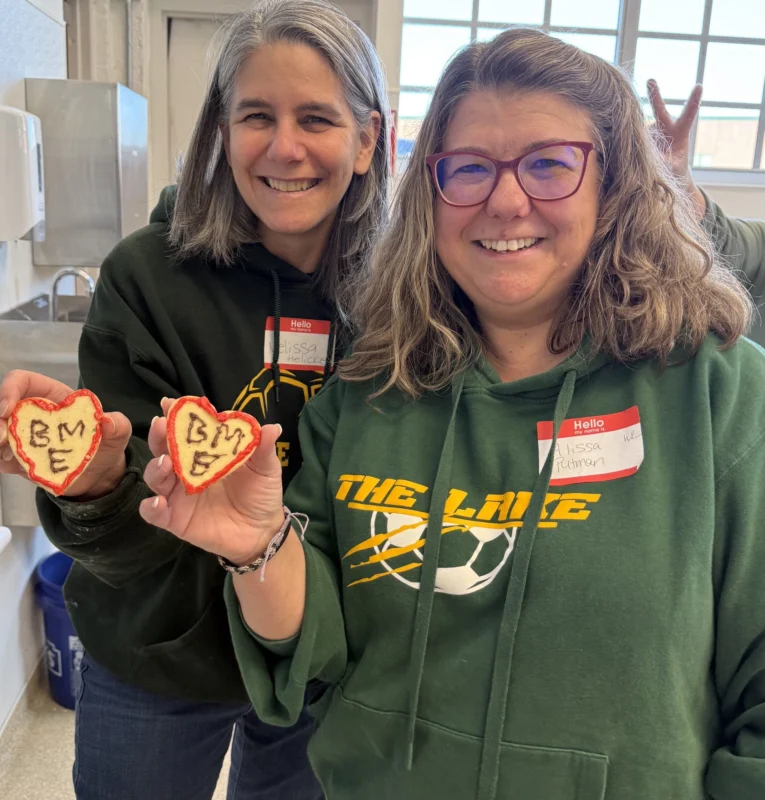
Not every meaningful moment has to be a big one.
Somebody told a ninth grader about OhanaHC. If you know a young person in Howard County who could use more adults in their corner, connect us.